
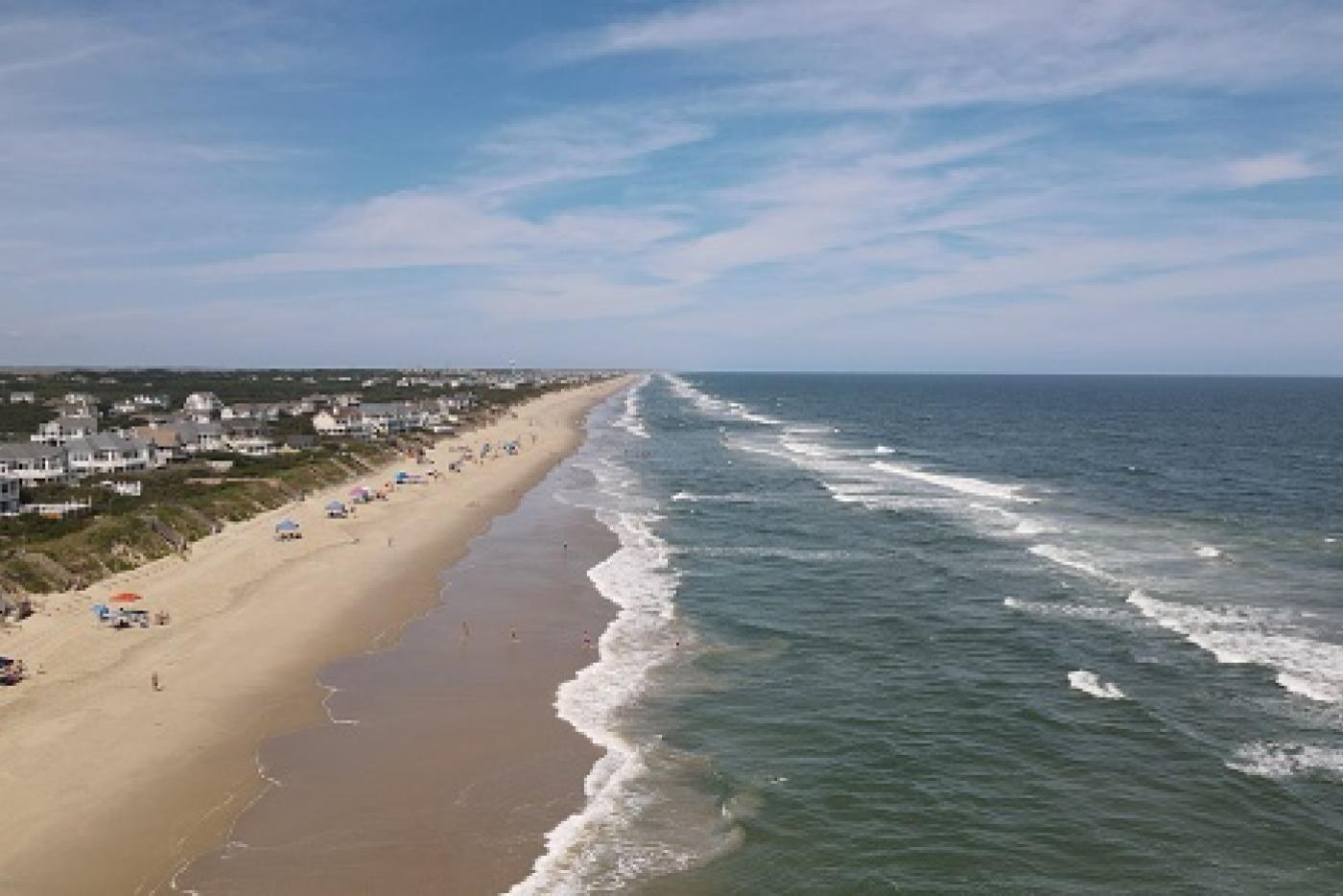
The recent snowstorm in North Carolina helped push five more coastal houses over the edge. They collapsed into the Atlantic Ocean. That brings the number of houses that have fallen into the ocean since 2020 to 32.
Frustrated residents and business owners in the area believe this issue has been ignored and mismanaged for decades. They’re reaching out to elected officials at the local, state and federal level with their plea for action.
According to the locals, much of the erosion has been caused by mismanagement. The sand dunes created in front of Highway 12 prevent the over wash essential to the health of a barrier island. It’s how they’re formed.
Also, the terminal groin built at the end of Oregon Inlet interrupts the natural flow of sand to Hatteras Island. Fifty years of dredging the inlets at both ends of the island and not putting the sand on the beach like Mother Nature would have done doesn’t help.
The locals are calling for three things:
- Acknowledge the problem of beach erosion is man-made and not natural. This has destroyed the beach in Buxton, Hatteras and Rodanthe along Hatteras Island.
- Implement emergency measures now to stop the bleeding. These include: 1) Repairing the jetty installed by the Navy decades ago by dumping loads of rocks in holes of the damaged jetty or building new jetties where broken ones can’t be repaired, and 2) build an elevated causeway between Avon and Buxton as well as between Frisco and Hatteras and push the sand dunes onto the beach. This will require a temporary bridge while a permanent bridge is built. (The elevated causeway would allow for safe travel, even during storms.)
- Install nearshore reefs to energize the ocean. The nearshore reefs would de-energize the current before it hits land and steals the sand. They would create beaches for bird and turtle habitat and other marine habitats.
Similar measures have worked in the past. After Hurricane Irene cut an inlet just north of Rodanthe in 2011, a temporary steel-panel bridge, known as the Lego Bridge, was built on N.C. 12 in the Pea Island National Wildlife Refuge. A permanent bridge was constructed in 2017 to replace the temporary bridge.
This proved to be a brilliant decision as it created more sand and became the largest beach in the area.
These recommendations come from longtime and lifetime Outer Banks residents who are currently being impacted by ocean erosion. These homes can be saved if these steps get implemented.
Now is the time for action on these measures. Delays will only result in further damage. Stakeholders and government leaders at all levels need to come together and do this for the people of the Outer Banks, North Carolina and the United States of America.