
The numbers are crushing and heartbreaking.
Thirty people died in North Carolina work zones in 2019, the most recent year statistics are available. That same year, 6,542 people were injured in construction, utility and maintenance work zones across the state.
The reasons are abundantly clear. Speeding and distracted driving accounted for more than 50% of all work zone crashes in the state.
North Carolina is a fast-growing state. To keep up with the pace of growth, it’s crucial for workers to make expansions and improvements in our transportation system. The injury and fatality numbers illustrate who driving safely in work zones isn’t just a good, courteous idea. It’s a must.
Eliminating distracted driving is important to reducing highway tragedies in general. It’s crucial when it comes to driving in work zones. Phones, GPS systems, eating and attending to a child in the car can take our attention away from the task at hand.
Likewise, reducing our speed is a key to eliminating work zone accidents and tragedies. Reduced speed limits are posted because workers, lane shifts and equipment create unpredictable conditions. Slowing down early gives you more time to adjust to these uncertain situations.
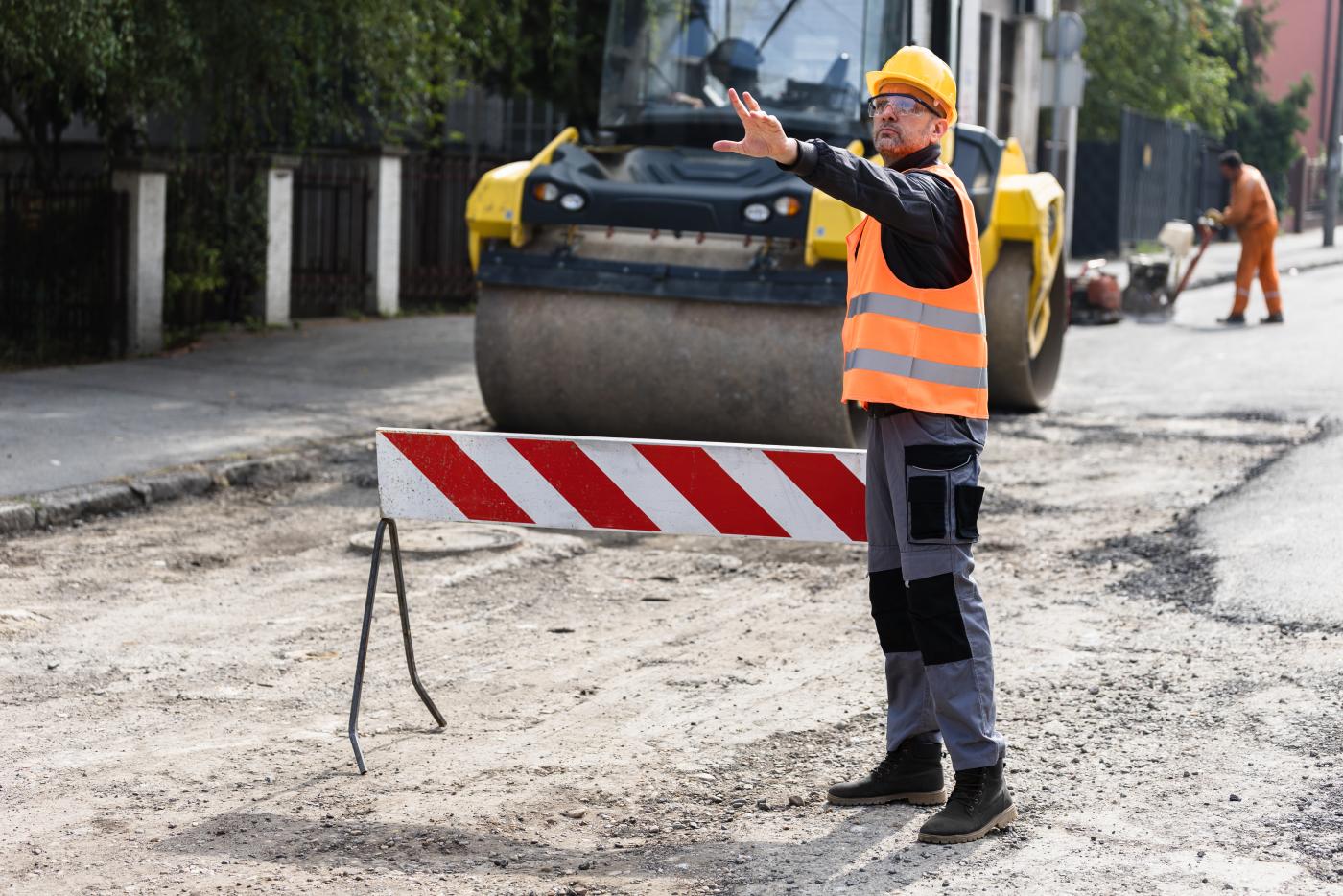
Motorists can also help prevent crashes by increasing their following distance, obeying flaggers and signs and expecting surprises in work zones. Workers, machines, lane changes and uneven pavement are all things we need to look out for when driving near construction workers.
Here are some good driving practices that can help reduce risk:
- Merge early and courteously. Last-second lane changes create bottlenecks and raise the risk of crashes.
- Avoid sudden breaking and swerving. Smooth, predictable movements help everyone around you, especially workers and large trucks with limited visibility.
- Use headlights in active work zones for better visibility.
- Watch for construction vehicles entering or exiting the roadway. Construction vehicles may move slowly or unpredictably. Give them space and patience.
- Stay in your lane. Work zones often have temporary markings or cones that make lanes feel tight. Drifting can be dangerous.
Developing good driving habits can make for a safer, less-stressful trip. Planning ahead and allowing for extra time if you know there’ll be construction on your route can lower anxiety levels.
Staying calm and being patient with workers can also help. Remember, road construction delays are temporary. Crashes can have lasting consequences.