
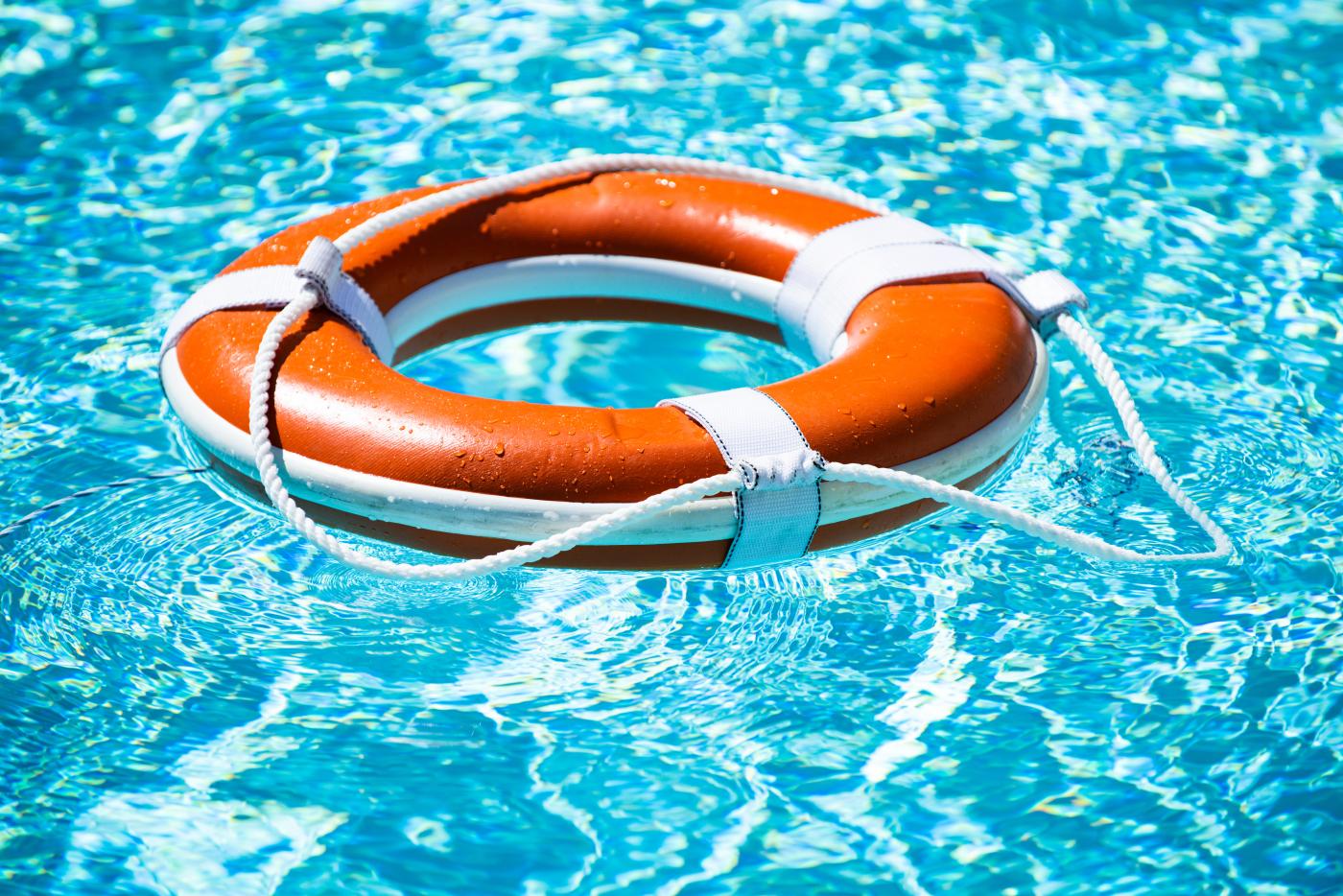
The temperatures are trending upward. The upcoming holiday will usher in weekend trips to the beach, lakes, pools or other swimming spots to cool off from hot weather.
Going for a swim, in addition to being a great exercise routine, is fun. Taking a few precautions to mitigate risks and make sure your trip is an enjoyable one.
Parents, guardians, caregivers and counselors need to take extra care to make sure children entrusted to their care are safe.
Here are some precautions they should take around pools and open water:
- Always watch children and never leave them unattended.
- Keep children away from pool drains, pipes and other openings.
- Always keep a charged phone nearby.
- Know how to perform CPR on children and adults.
- Understand the basics of lifesaving so you can assist in an emergency.
- Install a fence at least four feet high around the perimeter of a pool or spa.
- Use self-closing and self-latching gates.
- Ensure all pools and spas have compliant drain covers. Install an alarm on the door leading from the house to the pool.
Many pools, lakes and beaches provide on-duty lifeguards. That’s because these areas can pose a lot of risks.
Drowning is the second leading cause of death in children ages 1 to 14, according to the Centers for Disease Control and Prevention (CDC). It’s the leading cause of unintentional death in children younger than 4 years old.
Swimming at the beach can present even more risks. When headed to the coast, remember to pay attention to the warning flags that indicate the possibility of rip currents. A rip current’s force is strong enough to pull even the strongest swimmer out to sea.
If you’re caught in a rip current, stay calm. Don’t fight the current. You can escape the current by swimming in a direction parallel to the shoreline. If you’re unable to reach the shore, draw attention to yourself and call for help.
Many believe a drowning person involves flailing arms or frantic calls for help. That scene is often incorrect. Drowning can happen quietly when a helpless person is unable to take a breath or call for help.
The CDC estimates 10% of parents watch their children drown because they do not know what’s happening and don’t act quickly enough. Rescuers may have as few as 20 seconds to save a person from drowning.
Taking a trip to a favorite beach, lake or pool can be a fun family or group outing. Putting these safety tips into practice can help you make sure your trip is an enjoyable experience.