
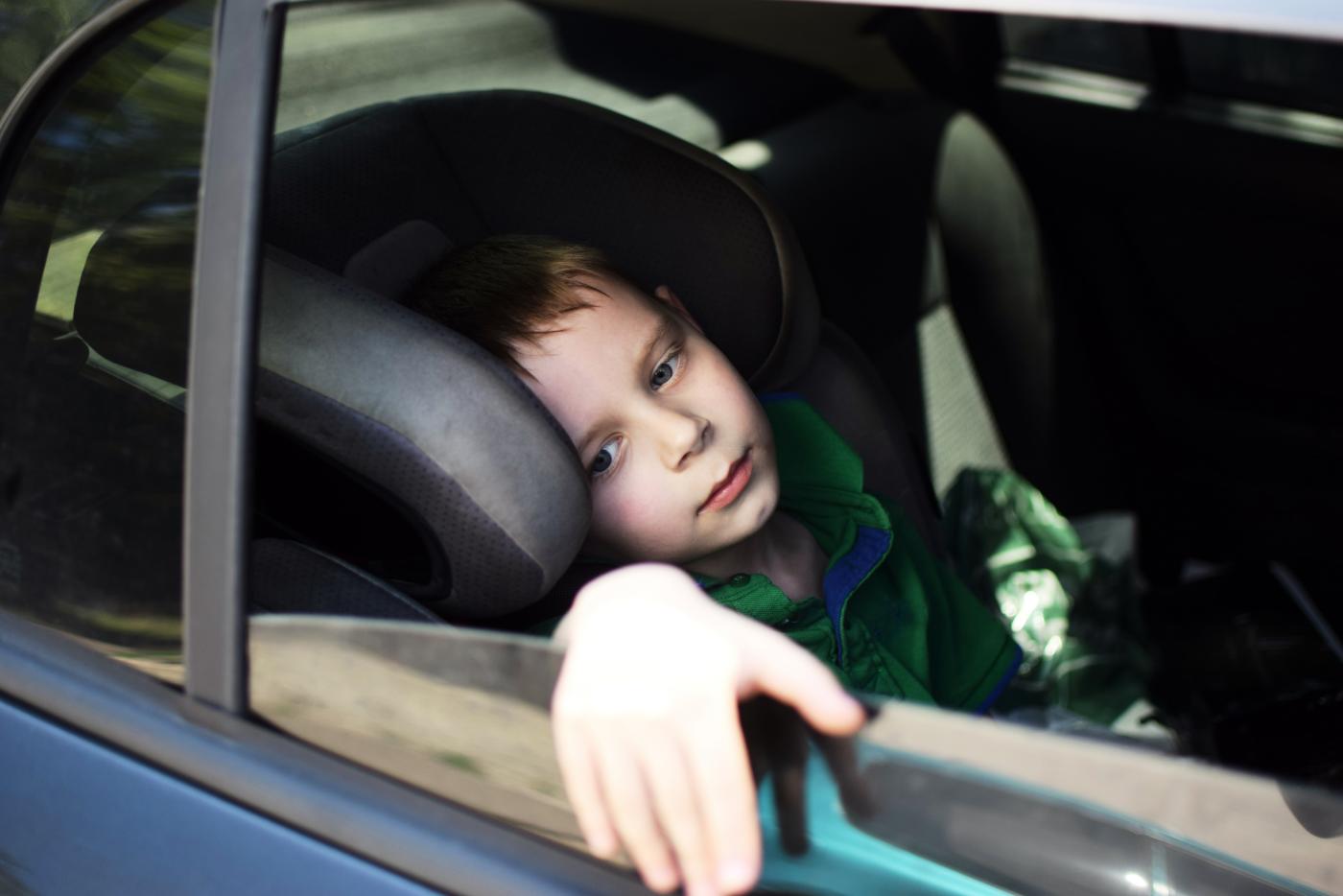
Summer is here. We’ve already had some 100-degree days in parts of North Carolina. When it’s hot outside, it’s even hotter inside a car. It can be deadly hot for both children and adults.
From 198 through 2025, 1,041 children have died from heatstroke because they were left in a hot car. So far this year, six children have died in hot cars across the country, none from North Carolina. Last year, two North Carolina children died of heatstroke, a 7-month-old girl in Hamlet and a 4-year-old girl in Greensboro.
On average, 37 children die from vehicular heatstroke each year across the United States.
We all know that it’s usually hotter inside a car than it is outside. But do know how much hotter the temperature is inside a car?
The temperature inside a vehicle can rise about 20 degrees in just 10 minutes. That means if it’s 95 outside, it could be 115 degrees inside a car. That means leaving a child in a car for just a few minutes while you run inside a store to shop for an item or two is a bad idea.
It’s also important to remember that a child’s body heats up three to five times faster than an adult’s body.
Elderly or disabled adults shouldn’t be left in vehicles either. Caregivers need to be as vigilant about protecting those entrusted to their care.
Also, remember that pets can suffer and die from heatstroke. So don’t leave them in a car that could heat up.
People and pets left in a running, air-conditioned care could also be in danger of suffering from hot temperatures if the car shuts off automatically, or if something goes wrong and causes the engine to shut down.
Here are some important safety tips to help you remember never to leave a child alone in a car. It’s called the ACT method, an acronym for Avoid, Create, and Take action.
- Avoid heatstroke related injuries and deaths by never leaving a child alone in a car, not even for a minute. Make sure to keep your car locked when you’re not inside so kids can’t get inside on their own.
- Create reminders. Keep a stuffed animal or something in your child’s car seat when it’s empty and move it to the front seat when your child is in the car. That gives you a visual reminder when your child is in the back seat. Place something that you’ll need to take with you, such as your cell phone, briefcase or purse, in the back seat when traveling with your child.
- Take action. If you see a child alone in a car, call 911. Emergency personnel want you to call. They are trained to respond to these situations.
All of these deaths are preventable. I hope you’ll join me and make an extra effort to make sure hot car tragedies don’t occur in North Carolina.